
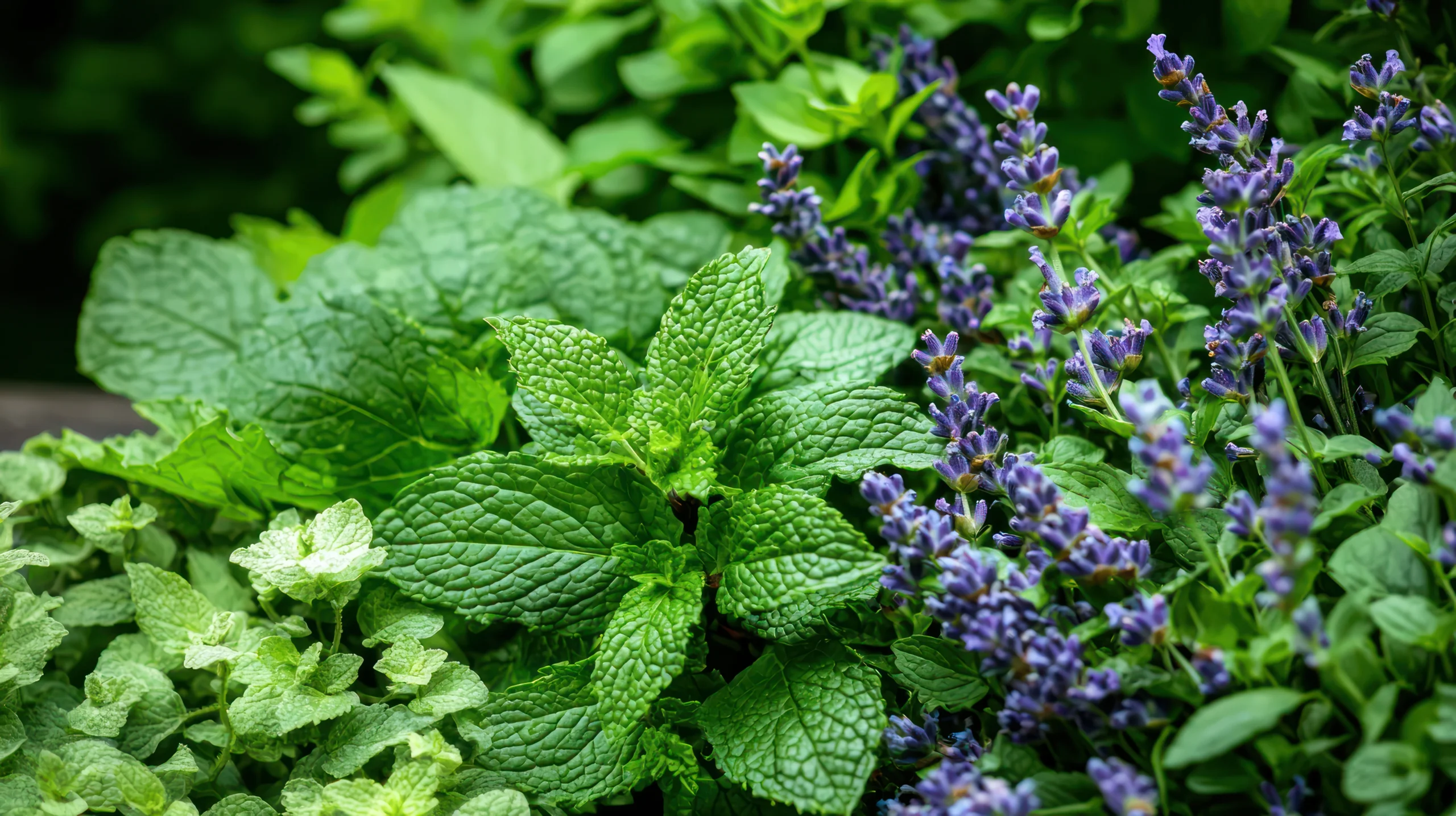
 Certain plants release scents or contain compounds that ants avoid, making them a smart, natural way to reduce infestations around your home. They also add beauty to your Louisiana yard while protecting against pests. At Ja-Roy Pest Control, our knowledgeable ant exterminators offer expert guidance to help you choose effective, eco-friendly solutions for keeping ants away.
What Are the Best Plants to Keep Ants Away?
Some plants naturally deter ants with their strong compounds and fragrances. When used around the home or garden, they provide a safe, eco-friendly way to reduce ant problems. Below are some plants that can help drive ants away:
- Mint: Mint is highly effective at driving ants away. Its powerful scent interferes with the trails ants use to navigate, discouraging them from entering. You can plant mint along the edges of your home or in containers near access points. Since mint spreads rapidly, using pots is the best way to control its growth.
- Eucalyptus: Eucalyptus is well known for its ant-repelling properties. Both the leaves and oil have a strong aroma that ants avoid. You can grow eucalyptus trees in your yard or use diluted eucalyptus oil as a natural spray around doors and windows. The scent alone makes it an excellent deterrent.
- Lavender: Lavender adds color and fragrance to your garden while naturally keeping ants at bay. Its strong aroma is something ants dislike, making it a powerful natural repellent. Try planting lavender in flower beds or keeping pots near entryways and windows. This plant combines beauty with pest control.
- Rosemary: Rosemary is a fragrant herb that ants prefer to steer clear of. Its woody, aromatic scent makes it useful both in cooking and pest prevention. Plant rosemary directly in your garden or place potted plants on patios and window ledges. It serves as a multipurpose herb and a natural ant deterrent.
- Thyme: Thyme works as both a flavorful culinary herb and an ant repellent. Its sharp fragrance is unappealing to ants and helps discourage them from nesting nearby. Grow thyme in garden beds or pots placed around your property. It’s a versatile herb with added pest-control benefits.
- Basil: Basil’s pungent scent makes it another great choice for repelling ants. Plant it in your garden, especially near tomatoes, for both pest protection and companion planting advantages. Keeping potted basil in your kitchen also helps keep ants from wandering indoors. Basil is both practical and effective.
- Marigolds: Marigolds are bright, hardy flowers that deter ants and other common pests. Their strong odor makes them unpleasant to ants, helping to keep infestations away. Plant marigolds around garden edges, walkways, or entrances to your home. They are simple to grow and add vibrant color while protecting your space.
What Are Some Natural Ant Deterrents?
While planting ant-repelling plants can help, additional methods exist to keep ants off your plants. Using natural deterrents adds another layer of protection. Here are some effective ways to keep ants away from your plants:
- Diatomaceous Earth: Spread food-grade diatomaceous earth around the base of your plants to keep ants at bay. This natural powder dehydrates ants on contact, eliminating them without the use of harmful chemicals. It’s an eco-friendly and safe way to manage ants outdoors.
- Citrus Peels: Use citrus peels to repel ants in your garden. Ants are repelled by the strong scent of orange, lemon, and lime peels. Place the peels around plants and garden beds to help keep ants away naturally.
What Herbs Are Effective Against Ants?
Herbs are particularly effective in repelling ants due to their strong scents and oils. They are a natural, eco-friendly way to protect your garden and home. Many herbs not only deter pests but also enhance the aroma of your space. Here are some of the best herbs to try for keeping ants away:
- Peppermint: Peppermint is a highly effective herb for keeping ants away. Its strong scent is unpleasant to ants, making it a natural deterrent. Plant peppermint in your garden or use potted peppermint near windows and doorways. For an extra boost, you can also spray peppermint essential oil around problem areas.
- Lemon Balm: Lemon balm is a fragrant herb that ants tend to avoid. It can be planted in your garden or kept in pots indoors to help deter ants. Its refreshing scent not only helps repel pests but also adds a pleasant aroma to your home or garden.
- Catnip: Catnip is another herb that naturally repels ants. Adding catnip to your garden can help keep ants and other pests under control. Keep in mind that cats are very attracted to catnip, so plant it with caution if you have feline pets.
Ways to Kill Ants on Plants
When ants continuously swarm your garden, simple deterrents might not be enough. Stronger, targeted solutions are often needed to both kill and repel them. The following methods can help protect your plants from persistent ant problems:
- Vinegar Solution: A vinegar solution is an effective way to kill ants on plants. Combine equal parts water and white vinegar in a spray bottle and apply it directly to ants and affected areas. Vinegar works naturally and is generally safe for most plants.
- Borax and Sugar: Mix borax with sugar to target ants on your plants. The sugar attracts the ants, while the borax acts as a poison. Place small amounts near ant trails and affected plants. Be careful when using borax around children and pets, as it can be toxic if ingested.
- Soap and Water Solution: A dish soap and water mixture can remove ants from plants safely. Add a few drops of dish soap to water, shake, and spray directly on ants and affected areas. This method kills ants on contact without harming most plants.
- Neem Oil: Neem oil serves as a natural pesticide for ants on plants. Dilute neem oil with water according to instructions and spray it onto affected plants. It not only targets ants but also helps control other common garden pests.
Protect Your Home from Ants with Ja-Roy Pest Control
Using plants like mint, basil, lavender, marigolds, and eucalyptus in your Louisiana home and garden can naturally deter ants while adding beauty and fragrance. These eco-friendly methods often reduce ant activity, but infestations can still persist. If ants continue to invade, it’s best to contact Ja-Roy Pest Control professional exterminators for expert treatment. We can assess your home and garden to recommend the best strategies for keeping ants away.
Reach out to Ja-Roy Pest Control and let our experts provide the solutions needed to tackle your ant infestation.


