
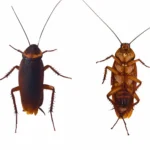
Here in Louisiana, our warm, humid climate creates ideal conditions for several troublesome roach species. While that’s not great news, knowing which roaches you’re dealing with helps us eliminate them faster.
These pests are actual health hazards. Roaches pick up harmful bacteria and spread it across your counters, dishes, and food. When you spot any of these unwelcome guests, don’t wait. Contact a professional roach removal team right away.
Here’s a quick overview of the pest roaches that plague Louisiana properties:
- American cockroaches are the biggest of the bunch (and yes, they can fly).
- German cockroaches multiply fastest and are masters at staying hidden.
- Smokybrown cockroaches thrive in our humid Louisiana climate.
- Oriental cockroaches seek out moisture and can handle cooler temperatures.
- Asian cockroaches are strong fliers often mistaken for German roaches.
- Brown-banded cockroaches prefer drier spots and hide throughout your home.
Louisiana Roach Species
American Cockroach
The American cockroach holds the title for the largest household roach, measuring up to two inches in length. Even worse? These giants have functional wings and aren’t afraid to use them. Unsettling, to say the least.
You can identify American cockroaches by their reddish-brown bodies and the yellowish figure-eight marking behind their heads. While they prefer outdoor habitats like mulch beds, tree holes, and storm drains, they’ll venture inside when searching for moisture, food, or shelter from extreme weather.
German Cockroach
German cockroaches rank as Louisiana‘s most prevalent indoor roach species. Measuring just half an inch when fully mature, they’re significantly smaller than their American cousins. Though they possess wings, flying isn’t their preferred mode of travel.
These light tan roaches feature two parallel dark bands running down their backs, just behind their heads. German cockroaches typically inhabit sewage systems and trash areas before finding their way inside through foundation cracks, gaps around pipes, and other small openings. They’re also notorious stowaways, arriving in delivery boxes, grocery bags, and secondhand furniture.
Oriental Cockroach
Many people call the Oriental cockroach a “water bug” because of its attraction to damp environments. These roaches frequently enter homes through floor drains, sewer connections, and basement access points.
Oriental cockroaches reach approximately one inch in length, with females slightly outpacing males in size. Their glossy, dark brown to black coloring makes them easy to distinguish from other species.
These pests also produce a distinctive musty odor that often signals their presence. Oriental cockroaches tolerate cooler conditions better than most species and typically move indoors through foundation cracks, drainage systems, and gaps beneath exterior doors.
Asian Cockroach
Asian cockroaches look nearly identical to German cockroaches, making identification tricky without expert help. The key difference? Asian cockroaches are skilled fliers, often attracted to light sources at night.
These outdoor-dwelling roaches prefer leaf litter and mulched areas but readily fly toward illuminated windows and doorways, gaining easy indoor access. In Louisiana‘s climate, Asian cockroach populations can explode rapidly during warm months.
Brown-Banded Cockroach
Brown-banded cockroaches earned their name from the distinctive light brown bands stretching across their wings and abdomen. At roughly half an inch long, they’re similar in size to German cockroaches.
Unlike moisture-loving species, brown-banded roaches prefer warm, dry locations. You’ll often find them in upper cabinets, behind picture frames, inside electronics, and near ceiling areas. This tendency to spread throughout a structure (rather than concentrating in kitchens and bathrooms) makes them particularly challenging to eliminate.
Smokybrown Cockroach
Smokybrown cockroaches thrive in Louisiana‘s subtropical environment. These dark mahogany-brown roaches grow to about 1.5 inches and have fully developed wings that enable strong flight.
They require consistent moisture and typically nest in tree holes, gutters, and dense vegetation. Smokybrown roaches enter structures through attic vents, gaps around rooflines, and open windows. Our humid Louisiana nights provide perfect conditions for this species to flourish.
Do Roaches Pose Health Risks?
Absolutely. Every cockroach species found in Louisiana presents genuine health concerns. They won’t bite you, but the danger lies in where they’ve been before entering your home.
Roaches spend their time crawling through sewers, garbage, decaying matter, and other contaminated environments. Along the way, they accumulate harmful bacteria on their bodies and legs. They track those pathogens across your kitchen surfaces, utensils, and stored food.
Cockroaches are documented carriers of Salmonella, E. coli, and various other illness-causing organisms. Exposure can trigger symptoms including nausea, vomiting, fever, and digestive distress. Additionally, roach droppings and shed skin particles are known allergens that can worsen asthma symptoms, particularly in children.
How Roaches Get Inside Your Property
Cockroaches exploit numerous entry points to access buildings:
- Structural Gaps: Tiny openings in foundations, exterior walls, and around utility penetrations create easy pathways.
- Plumbing Systems: Roaches navigate through drain pipes, sewer lines, and gaps around plumbing fixtures with ease.
- Doors and Windows: Worn weatherstripping, damaged screens, and gaps beneath doors invite roaches inside.
- Hitchhiking: German cockroaches especially excel at sneaking into homes via cardboard boxes, paper grocery sacks, shipped packages, and used appliances or furniture.
What Kills Cockroaches Quickly?
Direct-contact insecticide sprays and boric acid applications can eliminate individual roaches rapidly. However, these solutions only address the roaches you can see, which typically represents a tiny fraction of the actual population.
Effective long-term elimination requires combining immediate knockdown products with slower-acting solutions like professional bait systems that spread throughout the entire colony. Your best option? Working with trained cockroach exterminators who have access to commercial-grade products and proven treatment protocols.
Ways to Eliminate Roaches in Your Louisiana Home
Multiple approaches exist for tackling cockroach infestations. Results vary based on the specific species involved, severity of the problem, and treatment methods used. Below, we cover everything from DIY options to professional intervention.
Speed matters when dealing with roaches. German cockroaches especially reproduce at alarming rates, a small problem can escalate into a severe infestation within weeks.
Here’s what you should know about common treatment methods:
Direct-Contact Sprays
These aerosol products contain fast-acting neurotoxins. Direct application shuts down a roach’s nervous system almost instantly.
They’re excellent for individual roaches, but poor for infestations. You’re only eliminating the visible pests while the vast majority remain hidden inside walls, appliances, and other protected areas. Contact sprays work best for occasional invaders like American cockroaches that wander in from outdoors.
Residual Barrier Sprays
Applied along baseboards, thresholds, and window frames, these products leave behind a dried chemical residue designed to kill roaches that cross over it.
They yield moderate results, primarily for keeping outdoor roaches from entering. With established indoor colonies (especially German cockroaches), barrier sprays often backfire. Roaches detect the chemical residue and simply relocate to deeper hiding spots within your walls.
Foggers and Bug Bombs
Pressurized canisters release pesticide mist that theoretically blankets an entire room.
Unfortunately, they deliver poor results. The mist rises and settles on exposed horizontal surfaces but fails to penetrate the cracks, crevices, wall voids, and electronics where roaches actually harbor. Similar to barrier sprays, foggers frequently scatter roaches into harder-to-reach locations.
Bait Stations
These products combine attractive food sources with slow-acting insecticides. Roaches consume the bait, return to their hiding spots, and eventually die. Because cockroaches eat their dead, the poison transfers to additional colony members through cannibalism and contaminated droppings.
They’re highly effective and widely considered the most reliable method for colony elimination. Results develop gradually over one to three weeks, but the cascading effect reaches roaches that direct treatments never could.
Glue Boards and Sticky Traps
Adhesive-coated cardboard strips capture roaches as they travel along walls and through cabinets.
Their results are limited. Sticky traps help monitor activity levels and identify which species you’re dealing with, but they only capture a small percentage of the population and won’t solve an infestation.
Call now or fill out the form below & a team member will reach out shortly!
Natural Cockroach Control Methods
Eliminating roaches using purely natural approaches is extremely challenging. Cockroaches have evolved remarkable resilience. They adapt to hostile conditions and develop resistance to various substances. Natural products might offer some protection, but they rarely resolve active infestations completely.
Boric Acid
Fine boric acid powder applied lightly into cracks and voids clings to roach bodies and legs. When roaches groom themselves, they ingest the powder, which poisons their digestive system.
It can produce decent results when applied properly, and a barely visible dusting works best. Heavy applications cause roaches to simply avoid treated areas.
Diatomaceous Earth
This powder consists of microscopic fossilized algae with sharp edges that damage roach exoskeletons, causing dehydration.
Results are moderate at best. Safe for households with pets and works reasonably well in dry, hidden spaces. However, it kills slowly and loses all effectiveness when moisture is present.
Essential Oils (Peppermint, Eucalyptus, Tea Tree)
Potent scents may temporarily disrupt the pheromone trails roaches follow.
Results are minimal. Essential oils might deter roaches from specific areas briefly, but they won’t kill pests or address an infestation. Roaches simply relocate to untreated zones.
Baking Soda and Sugar Mixture
Sugar attracts roaches to consume the baking soda. When they drink water afterward, the baking soda reacts and creates internal gas buildup.
But results are limited. This non-toxic approach might handle a few stray roaches but proves impractical against established populations.
How to Prevent Cockroach Infestations
Long-term roach prevention requires eliminating their access to three essential survival resources: food, water, and shelter. Every roach species common in Louisiana seeks these same basics. Since cockroaches require minimal amounts of food and water to survive, thorough prevention takes consistent effort.
-
Cut off their food supply.
Roaches detect even tiny food particles with their highly sensitive smell receptors.
- Clean up immediately. Wipe down cooking surfaces and dining areas after every use. Maintain regular sweeping, vacuuming, and mopping schedules.
- Seal food storage. Cockroaches easily chew through cardboard boxes and plastic bags. Transfer cereals, flour, rice, and pet food into rigid containers with tight-fitting lids.
- Manage garbage properly. Use covered trash receptacles, take garbage out nightly, and periodically wash bins to eliminate food residue.
- Handle dishes promptly. Dirty dishes offer both food scraps and standing water. Wash dishes immediately or, at minimum, rinse them thoroughly and empty the sink basin.
-
Eliminate moisture sources.
Water access is critical for roaches. They survive weeks without eating but perish within days without hydration.
- Maintain drains. Clear organic buildup from drains using baking soda followed by boiling water. Consider covering floor drains with mesh screens overnight.
- Repair leaks immediately. Inspect beneath sinks, around toilets, behind washing machines, and near water heaters for any dripping. Even minor leaks support roach populations.
- Control humidity. Use dehumidifiers in basements, crawl spaces, and other damp areas. Run bathroom exhaust fans during and after bathing.
- Empty standing water. Regularly check refrigerator drip trays, air conditioning units, and plant saucers for accumulated water.
-
Block entry points.
Physical exclusion stops roaches at your property’s perimeter. Combine sealing efforts with food and moisture control for maximum protection.
- Seal gaps. Inspect interior and exterior surfaces for openings. Apply silicone caulk around baseboards, electrical outlets, plumbing penetrations, and ventilation covers.
- Install door sweeps. Roaches compress their bodies to squeeze through surprisingly narrow gaps. Add tight-fitting door sweeps and replace deteriorated window seals.
- Examine incoming items. Check grocery bags, delivery boxes, and secondhand purchases for hidden roaches or egg cases before bringing them inside.
- Reduce clutter. Discard accumulated cardboard, paper bags, and old magazines. These materials provide shelter, and adhesives used in their construction can serve as food.
- Trim vegetation. Keep shrubs and tree branches from contacting your home’s exterior walls or roofline, eliminating bridges roaches use to access your structure.
What’s the Quickest Solution for a Roach Infestation?
Working with professional exterminators delivers the fastest, most reliable results. Licensed pest control technicians have access to commercial-grade products and the expertise to deploy them strategically based on your specific situation.
We always recommend contacting a cockroach removal specialist when you discover an infestation, though some homeowners prefer attempting DIY solutions first.
Trained specialists combine professional-strength residual treatments, targeted bait applications, insect growth regulators, and exclusion work customized to the specific roach species present. You’ll get maximum results. Professional treatment represents the fastest, most dependable solution, especially for severe or persistent infestations.
Louisiana’s Trusted Cockroach Control Team
Successfully eliminating roaches demands a comprehensive strategy combining thorough inspection, targeted treatment, and preventive measures. This work requires expertise, persistence, and professional-grade tools. So when DIY attempts fall short, reach out to experienced cockroach exterminators who understand Louisiana‘s specific pest challenges.
At Ja-Roy Pest Control, our cockroach removal team conducts detailed inspections to locate every infestation source. We eliminate active populations and implement prevention strategies to keep roaches from returning.
Get a free service quote today by calling us at 985-641-3960 or filling out a contact form here.


