Most ant species aren’t hazardous to humans, but some are a threat because they’re venomous or particularly aggressive. The red imported fire ant is considered the most dangerous ant in the U.S., and it’s present all across Louisiana.
If you’ve seen ants in or near your home, it shouldn’t come as a surprise. Ants are one of the most widely distributed types of insects on Earth. There are more than 12,000 species of ants, and they live almost everywhere on Earth except for Greenland, Iceland, and a few other islands.
Since they live almost everywhere, it’s inevitable that you’ll cross paths with ants sometimes. If you know which ant species to avoid, you can steer clear of danger. In Louisiana, you’ll likely encounter less dangerous ants, such as pavement ants, Argentine ants, acrobat ants, and Pharaoh ants. But there’s also a chance you’ll run into more dangerous ants in the area, particularly red imported fire ants.
Want to know which one to look out for according to the ant experts at Ja-Roy Pest Control? Read on.
Ants to Watch Out for
Field Ant
The field ant is a very common ant species in the eastern two-thirds of the US. They typically build their nests underground or sometimes in or under rotting wood. While they’re not venomous or aggressive, they are included in this list because they’re common in much of the US and will bite you if you disturb their nest.
Velvet Ant
Despite the name, the velvet ant isn’t really an ant. It’s a fuzzy red and black-striped wasp, but the females of the species are often misidentified because they lack wings. What they have is a venomous and extremely painful sting, which has given this insect the nickname “cow-killer” in the eastern US where it lives.
Maricopa Harvester Ant & Florida Harvester Ant
There are numerous species of harvester ants in the US, many of which are relatively harmless. However, two species, the Maricopa harvester ant and the Florida harvester ant, are very dangerous. The Maricopa harvester ant is one of the most common ant species in Arizona, and it lives throughout the southwestern US and Mexico. It’s believed to have the most toxic insect venom on earth. Florida harvester ants are common from Florida to North Carolina, and their venom is extremely powerful. It’s more toxic than a cobra’s venom!
Red Imported Fire Ant
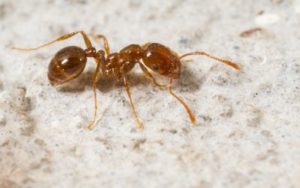
This ant is one of the most likely to be found around Louisiana. The red imported fire ant is native to South America but was accidentally introduced to the US in the 1930s and is hands down the most dangerous type of ant in America. Their venom is particularly nasty, not just causing burning and swelling of the victim’s skin but creating itchy pus-filled blisters that can last for a week or more. As if that’s not enough of a reason to steer clear of these ants, significant numbers of people stung by these ants go into anaphylactic shock.
Texas A&M University estimates that 14 million people per year are stung by these insects, mostly in the southeast. More than 80 deaths due to red imported fire ant stings have been reported in the US.
How do Ants Bite?
Ants use their mandibles (jaws) to bite the skin of their target and then release formic acid (an irritating chemical) on the skin of the target. Ant bites usually cause redness, swelling, and irritation. Some people are allergic to formic acid and they may experience more serious symptoms, like those that accompany an ant sting.
How do Ants Sting?
While almost all ants have mandibles to bite with, only some have stingers and venom. Fewer still have venom potent enough to be hazardous to humans.
When ants sting, they’ll lock their mandibles in the skin of their target and release formic acid, like when they bite. Then they’ll rotate the rear of their body, jab their stinger into the skin, and inject venom. The longer it takes to remove them, the more times the target can be stung, the more venom will be injected, and the more painful it will be.
Ant venom, especially fire ant venom, can also cause an allergic reaction, which may include:
- Itchiness
- Dizziness
- Nausea
- Vomiting
- Hives
- Tightness in the chest
- Difficulty breathing
What to Do if You Get an Ant Bite
For the most part, ant bites can be treated at home (according to the Mayo Clinic). Just gently wash the area with soap and water, apply an anti-itch cream, and take an over-the-counter pain reliever if needed. The itching, swelling, and stinging will go away within a few days.
If you’re experiencing severe symptoms, such as trouble breathing, face swelling, vomiting, or dizziness, seek medical attention right away.
Ant Bite Allergies
Some may be allergic to ant bites. Common symptoms include pain, swelling, and redness. A pus-filled blister may develop at the bite site within 24 hours. It’s important to note that nonallergic reactions can look a lot like mild allergic reactions.
Mild allergies look like swelling, itching, redness, and pain at the bite site. But more severe allergies (anaphylaxis) look like shortness of breath, swelling in the throat or tongue, dizziness, stomach cramps, nausea, or diarrhea.
Call the Exterminators to Get Rid of Ants
DIY ant control just doesn’t work for these kinds of ants. It’s best to bring in the professionals, like Ja-Roy Pest Control.
We’ve been eliminating ants from homes and businesses in Louisiana since 1971.
So if you have ants in or around your home, especially if you suspect they may be fire ants, don’t wait until after you, your family, or your pet is bitten or stung. Contact us today!