
Are Pests a Problem? Ja-Roy Can Help!
"*" indicates required fields
*During normal business hours. After hours calls will be returned the next business day.
Key Takeaways:
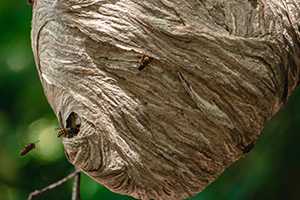
Wasps are a common nuisance for Louisiana homeowners, especially in the humid months between July and September. They build nests and swarm in your yard, threatening your family and pets. The best way to prevent wasps and their nests is to remove anything that’s attracting them, and call in professional exterminators for treatment.
The key to preventing wasps and their nests in your yard is understanding why they move in to begin with. It’s because your yard likely has everything a stinging insect could want: food, water, and shelter.
To avoid a painful encounter with a wasp this summer, the experts at Ja-Roy Pest Control are sharing what you need to know about avoiding them during the warm season.
So, what can you do to deter them from building nests near your home? Use these tips to keep stinging insects away from your space:
The general tips above can help you solve most wasp problems, but if the wasps prove persistent, the next step is understanding what type of wasp species you’re dealing with, so you can implement a more targeted strategy.
Many types of stinging insects can fly into your yard. Knowing which type you have can help you create an effective strategy for preventing or eliminating a nesting site. Here in Louisiana, the most common types of insects you’ll see include:
| Preferred Food Sources | Preferred Water Sources | Common Shelter & Nest Locations | Risk Profile | |
| Paper Wasp | Live insects (caterpillars, flies), nectar, and sugary spills or open soda cans. | Birdbaths, clogged gutters, and droplets on outdoor spigots. | Roof eaves, soffits, porch ceilings, boat sheds, and underneath patio furniture. | Moderate Risk: Protective of nests near doorways; can sting repeatedly if disturbed. |
| Yellowjacket | High-protein scraps (bbq meat, pet food), rotting fruit, and sugary trash bins. | Puddles, pool edges, pet water bowls, and low-lying stagnant water. | Abandoned rodent burrows, voids behind brick or siding, and hollows under concrete steps. | High Risk: Aggressive, highly territorial, and prone to swarming repeatedly over lawn mower vibrations. |
| Bald-faced Hornet | Large insects (flies, other wasps), nectar, and occasionally sap from tree bark. | High-elevation water like wet roofs, clogged gutters, or natural ponds. | High tree branches, building peaks, and under the peaks of barn or shed roofs. | High Risk: Very aggressive if their aerial nests are threatened; can sting repeatedly and squirt venom. |
| Mud Dauber | Spiders (their primary prey for feeding larvae) and flower nectar. | Wet mud, puddles, and drainage ditches (crucial for gathering nest-building material). | Protected flat surfaces like brick walls, porch ceilings, garage rafters, and behind shutters. | Minimal to No Risk: Docile, solitary wasps with no colony to protect. Will not attack or swarm. Stings are rare and mild. |
| Cicada Killer | Flower nectar (adults) and annual cicadas (hunted strictly to feed their larvae). | Heavy morning dew on lawns, shallow puddles, and garden sprinklers. | Well-drained, sandy, or loose soil exposed to full sunlight, often along sidewalk edges or flower beds. | Minimal to No Risk: Males are harmless bluffers (no stinger). Solitary females are non-aggressive and only sting if stepped on. |


Call now or fill out the form below & a team member will reach out shortly!Are Pests a Problem? Ja-Roy Can Help!
Many people confuse bees, wasps, and hornets. Mistaking one for the other can be dangerous, considering some species pose a much higher threat to your safety than others. Wasps and hornets often nest near homes—in structures like raised Acadian-style porches, boat sheds, or outdoor kitchens—while bees are more likely to seek out hollow cavities or underground shelters.
The most reliable way to figure out what you are dealing with is by looking closely at the structure and material of their nests. We included information about bees’ nests here as well, just in case.
| Nest Material | Primary Location | Typical Aggression Level | |
| Paper Wasp | Gray Paper | Porch ceilings, roof eaves, open structures | Moderate (Protective if you get too close) |
| Yellowjacket | Gray/Brown Paper | Ground cavities, wall voids, structural holes | Very High (Highly territorial, sting repeatedly) |
| Bald-faced Hornet | Thick Gray Paper | Tree branches, high building eaves | High (Aggressively defend their space) |
| Mud Dauber | Hard Wet Mud | Brick walls, porch ceilings, garage rafters | Minimal to No Risk (Docile solitary wasp, won’t swarm) |
| Cicada Killer | Loose Dirt (Burrows) | Well-drained lawns, sandy soil, garden edges | Minimal to No Risk (Solitary; males can’t sting, females ignore humans) |
| Honeybee | Pure Wax | Tree hollows, man-made hives, wall cavities | Low (Only sting if hive is directly threatened) |
| Bumblebee | Wax & Moss/Grass | Underground burrows, abandoned rodent holes | Very Low (Docile, prefer to fly away) |
No, we don’t recommend it. When it comes to bees, wasps, and hornets, there’s always a risk of the insect stinging or being aggressive toward you. For that reason alone, it’s important not to attempt to control bee or wasp problems yourself.
Even during the cooler months when nests appear abandoned, they still aren’t completely safe to approach. Trying to handle a bee problem with DIY methods is simply out of the question, especially if you or someone nearby is allergic to bee stings.
Ja-Roy Pest Control Services is a local Pest Control and Extermination company helping homeowners and businesses with pest issues across Southern Louisiana.


