
When Should You Call Rodent Control? – The Short Answer
This is the short answer – click here to jump to our in-depth answer.
With rodents, even one is too many. This is different than many types of pests, where it’s all about tolerance: Can you put up with them being there? Rats and mice are highly unsanitary and destructive, so you shouldn’t attempt to live with them. As soon as you notice signs of rodents, it’s time to take action.
Call a Rodent Exterminator If:
- You see a live rodent inside
- You find evidence of rodent activity in your home
- You’ve attempted DIY rodent control, but it isn’t working
- You or someone else on the property is at high risk
Listen and Learn About When To Call Rodent Control
Are Pests a Problem? Ja-Roy Can Help!
Call now or fill out the form below & a team member will reach out shortly!
When to Call a Rodent Control Company – The In-Depth Answer
If your situation falls into any of the following categories, you should call a rodent control company ASAP. The longer they’re allowed to remain, the worse the infestation will become.
1. You See a Live Rodent Inside
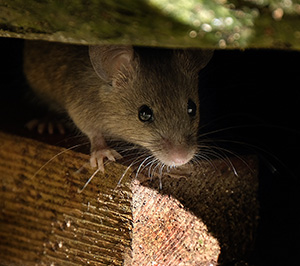
If you see rodents outside, the situation isn’t as urgent as if you find one inside your home. Once you find one inside, it’s time to let professionals handle the situation. Why? Because the presence of even a single rat, mouse, or other types of rodents makes it highly likely that there are more lurking – or there will be soon. Rodents reproduce rapidly, and a couple of rats or mice can multiply into dozens in a matter of months.
2. You Find Evidence of Rodent Activity in Your Home
You might not spot the rodents themselves – you may spot the evidence they leave behind first. Rats and mice are highly adept at hiding, and they’re nocturnal, so you may not be awake when they’re out and about rummaging for food in your house. But you will likely notice the subtle signs of their presence when you wake up.
What Are the Signs of Rodents?
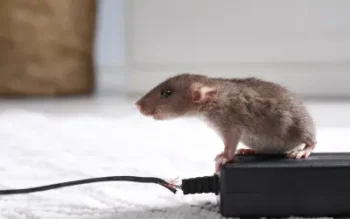 If you notice any of these common signs of a rodent infestation, it’s time to call for help:
- Droppings: Small, pellet-like fecal matter found in areas where rodents frequent, indicating their presence.
- Nests or nesting materials: Collections of shredded paper, fabric, insulation, or other soft materials, often found in hidden, secluded areas.
- Chewed and gnawed items: A rodent can chew through just about anything, including some kinds of metal, most kinds of wood, and even wires, which can potentially create a fire hazard.
- Foul odors: A musky or stale smell, particularly in enclosed spaces, which can be a sign of rodent urine and feces.
- Scratching sounds: Noises heard in walls, ceilings, or attics, especially at night, suggesting rodents moving around.
3. You’ve Attempted DIY Rodent Control, But It’s Not Working
If you believe the rodent problem is insignificant, you can try to solve it yourself, but be ready to call a professional if you’re not seeing the results you want. We recommend pairing the rodent baits or snap traps with proactive rodent exclusion techniques like sealing entry points to ensure more rodents can’t get inside.
Once you do that, continue to monitor the situation closely, and if there are signs it’s not working, don’t delay in calling a professional.
Here are the signs that DIY rodent control might not be working:
- Your traps aren’t catching any rodents
- Your traps are catching rodents, but you continue to notice signs of rodent activity
- You continue seeing live rodents
4. You or Someone Else on the Property Is at High Risk
We’ve mentioned that rodents spread bacteria and disease, but it’s worth reiterating to point out how serious they can be. The presence of rats and mice is especially hazardous for children, the elderly, people with underlying health conditions, and individuals with allergies and asthma.
Rodents are known carriers of the following pathogens and bacteria:
- Hantavirus: This is a potentially fatal virus found in the urine, droppings, and saliva of infected rodents, particularly deer mice. Humans can become infected by breathing in aerosolized particles of the virus after they have been stirred up from contaminated materials. It can lead to Hantavirus Pulmonary Syndrome (HPS), a severe respiratory illness.
- Salmonellosis: Caused by Salmonella bacteria, this is a common foodborne illness. Rodents can contaminate food, water, and kitchen surfaces with their feces, spreading the bacteria to humans and causing severe gastrointestinal distress.
- Leptospirosis: This bacterial disease is spread through the urine of infected animals, including rats. Humans can become infected through direct contact with contaminated water, soil, or food. It can cause a wide range of symptoms and, in severe cases, can lead to kidney or liver failure.
- Rat-Bite Fever: This bacterial illness is transmitted directly through the bite or scratch of an infected rodent, or by consuming food or water contaminated with rodent droppings. It can cause fever, rash, and joint pain.
Why Should You Call a Rodent Exterminator?
Benefits of Hiring a Professional Rodent Control Expert
Professional expertise gives you targeted solutions that go far beyond what DIY methods can achieve. Here’s why hiring a rodent exterminator is worth it:
- Expert Knowledge: Rodent exterminators understand the unique behaviors and nesting habits of different rodent species. Whether you’re dealing with house mice, roof rats, or Norway rats, a professional can identify the specific pest and customize the treatment plan accordingly.
- Targeted Treatments: Unlike store-bought traps and baits, professional rodent treatments focus on eliminating the infestation at its source and preventing its return. A professional rodent control service uses advanced techniques like strategic trap placement, secure bait stations, and exclusion methods to effectively eradicate the entire population.
- Safety and Efficiency: DIY rodent control can involve improperly placed traps or poison baits that can pose risks to your family and pets. Professional exterminators use commercial-grade, tamper-resistant products and follow strict safety protocols, ensuring the problem is resolved efficiently without endangering household members.
- Long-Term Prevention: A rodent exterminator doesn’t just get rid of your current rodent problem; they also work to prevent future infestations. By identifying and sealing potential entry points — a process known as exclusion — and providing recommendations on sanitation and habitat modification, rodent control professionals help keep your home protected for the long term.
Do You Need a Rodent Exterminator?
When it comes to getting rid of rodents, DIY or all-natural methods simply won’t cut it. Even though at-home remedies may work for a few days or as preventative measures, they are not a long-term solution.
If you suspect that you have rats or mice, Ja-Roy can offer the expertise and knowledge to treat the problem. With more than 50 years of experience in the industry, you can trust our rodent exterminators will thoroughly inspect your home for rodents and make sure they never return.
Call us today with questions or for a free estimate.
Back to Rodent Exterminators – Control – Removal