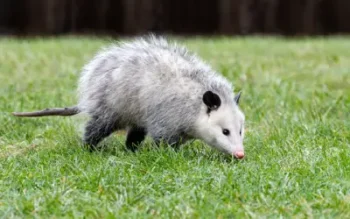
 When most people see wildlife like raccoons, squirrels, and opossums around their property, they think nothing of it. The conventional wisdom goes that as long as you keep a safe distance, these types of critters are harmless. While that’s true in a certain sense, it ignores the fact that raccoons, squirrels, opossums, and other wild animals can carry and spread dangerous pathogens and parasites. If your property has a heavy wildlife presence, it’s important to understand these risks.
Can wildlife make you sick? And what about your pets? In this article, we’ll take a closer look at raccoons, squirrels, opossums, and the diseases they carry.
Call now or fill out the form below & a team member will reach out shortly!
Can Raccoons Make You Sick?
Yes, raccoons carry a variety of diseases that can be transmitted to both pets and humans. For this reason, you shouldn’t ever try to corner or handle a raccoon. If you must come in contact with one, make sure you have adequate PPE, like gloves and a mask.
If you have outdoor pets and raccoons on your property, make sure that your pets receive proper vaccinations so they are protected if they ever come in contact with an infected raccoon.
Raccoon Disease Risks
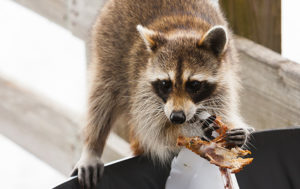 While most people are aware that raccoons can carry rabies, it is important to understand that they only show the telltale symptoms of erratic movements, lethargy, foaming at the mouth, and confusion during the final week of the disease. A raccoon can be acting seemingly normally and still be a rabies carrier.
- Raccoons also carry canine distemper, which is much more prevalent than rabies, and it is dangerous to dogs and cats alike. In the earlier stages, distemper presents with symptoms that are similar to rabies.
- Raccoon droppings are highly dangerous and carry numerous diseases and bacteria that can be spread if you come into contact with them. These can include raccoon roundworm, Giardia lamblia, Salmonella, and leptospirosis. Bottom line: Stay away from raccoon droppings, and wash your hands immediately if contact occurs.
Can Squirrels Make You Sick?
Yes, both red squirrels and gray squirrels can carry a few harmful diseases that can make humans and pets sick. They can be spread through direct contact with an infected squirrel, its feces, or drinking water that has been contaminated by the squirrel, which is a big risk factor, especially for pets.
Squirrel Disease Risks
- Squirrels can carry tularemia bacteria
- They may also carry leptospirosis, which is a parasitic infection.
- Squirrels also carry fleas, which are unpleasant in and of themselves but can also spread diseases.
- They may also carry bacterium pestis, also known as the bubonic plague.
Can Opossums Make You Sick?
Unlike raccoons and squirrels, opossums are quite resistant to many of the diseases that typically affect wild animals. While they are a lower risk, the risk still exists, and if you are scratched or bitten by an opossum, you should still visit your doctor to make sure that there are no potential problems.
Opossum Disease Risks
- They can carry distemper, rabies, and other diseases, even though this is comparatively rare.
- Fleas are also a concern. If opossums make it into your home or yard, the fleas can quickly become an infestation. This means that you and your family are at a great risk of becoming infected with any of a wide range of diseases and bacteria that fleas can carry and transmit with a single bite.
What Are the Most Dangerous Bacteria and Parasites That Can Be Spread by Wildlife?
There are many health risks involved when wildlife is on your property, or worse, in your home. Here’s some additional info about the five most dangerous diseases, bacteria, and parasites that you and your loved ones could contract:
#1. Rabies
We’re listing rabies as the top risk here because, while not common, it’s 100% fatal if the disease progresses to the stage where symptoms present. If you are ever bitten or scratched by an animal you have any reason to suspect has rabies, immediately go see a doctor and ask for a rabies shot.
Rabies often takes weeks or months to progress in the body. During that time, there aren’t any symptoms. However, once symptoms like anxiety, aggression, high fever, hallucinations, hydrophobia, and seizures show up, it’s already too late.
#2. Roundworm
Roundworm eggs commonly come from raccoon feces and are called baylisascaris.
These eggs are tiny and can become airborne. This makes it so they can even be transmitted into people who have not had any direct contact with the raccoon. Some symptoms of roundworm are fever, tiredness, loss of vision, and coma.
#3. Leptospirosis
Leptospirosis is transmitted to people and pets who come into contact with raccoon urine. If one of your household pets has a jaundiced yellow color in the whites of the eyes, then he or she may be suffering from leptospirosis.
Among humans, leptospirosis can cause high fever, body pain, vomiting, and diarrhea. If left untreated, it could lead to even more serious diseases such as meningitis and liver failure.
#4. Salmonella
Salmonella bacteria can be found in raccoon droppings. The resilient nature of the bacteria allows them to stay dormant in the feces for a long time — even if the droppings are not so fresh anymore.
Some of the symptoms observed are fever, diarrhea, abdominal pains, and a weakened immune system.
#5. Fleas and Ticks
Fleas and ticks are parasites that feed on the blood of animals and humans. They can cause itchy bites and skin irritation.
More dangerously, they can transmit a variety of diseases, including Lyme disease, Rocky Mountain spotted fever, and typhus. Opossums and squirrels, in particular, are known to carry fleas, which can quickly infest a home once brought inside. This increases the risk of disease transmission to both people and pets.
How to Prevent Diseases If You Have Wildlife on Your Property
- If you believe you have any of these nuisance wildlife around your home, don’t try to trap or remove them on your own. These animals can become dangerous when threatened, which increases the chances of being infected by one of them.
- If you notice any urine or feces in your attic, don’t touch it without proper PPE. Make sure the area is cleaned and sanitized ASAP.
- Hire a professional to help you eliminate the problem. The experts at Ja-Roy Pest Control can inspect your home, yard, or garage to determine whether there is a problem.
Call Us Today for Experienced Wildlife Control and Exclusion
If you’re dealing with wildlife, don’t face the problem alone. We will safely trap and remove them, and attend to any areas that contain feces or nests. We will help you with wildlife exclusion, addressing any areas that may provide a means of entrance for wild animals to your home.
Wildlife is an unacceptable risk when it comes to spreading diseases, and you shouldn’t have to put up with it. Protect your family with our safe and efficient wildlife control services.
Call us today for a free estimate.